
The Band of Burnouts research lab was formed as part of my fellowship with the School of Commons. It provided, and continues to provide, a space for collaboration, conversation, and artistic interventions around the topic and shared experiences of burnout. My starting point for the fellowship to explore contemplating burnout as a collective experience, rather than an individual one.
Throughout the fellowship, Band of Burnouts held a variety of research-driven activities, interventions, and artistic productions.
The desire was to collaborate as much as possible and offer places and happenings to share experiences, discuss details, stigmas, difficulties and nuances – and make make make with maximum fun. Organically and over time, a vehicle for coming together grew. Band of Burnouts showed myself and others that it is possible to discuss and explore something very un-fun in a way that is fun, together. The research lab found a way that feels lightening without trying to be therapeutic.
ABOUT THE LAB
The burnout has become a mass phenomenon. A category of complaint that feels utterly contemporary, and deeply correlated and illustrative of our current economic, ecological, political and social states of varying crises. The ‘malaise of our times’– so to say.
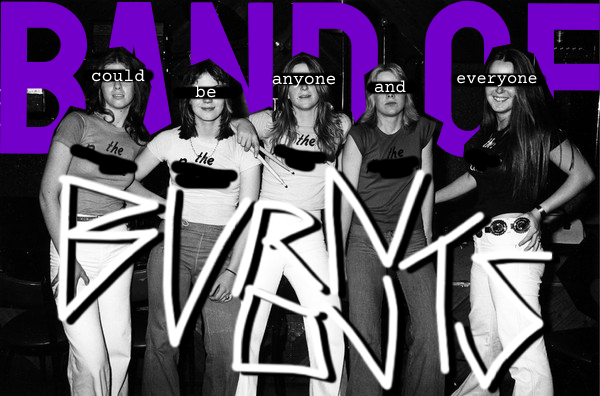
Band of Burnouts undertakes a transdisciplinary study of the burnout in a multi-perspective, multi-voiced exploration of experiences. The lab is interested in accounting for the unaccounted details, considering the burnout as a collective rather than individual experience, and taking seriously the body as a producer of knowledge. The mind and body sing in a chorus, sing in bodies with other bodies, acknowledging the plurality of body. There are no one-man-bands.
‘Band’ is both a noun and a verb. As a noun it can mean a group of people who share a common interest of feature, something that serves to join or hold things together, or a force that unites and ties. As a transitive verb it means to gather together, to bind, and intransitively is means to unite for a common purpose, to form a group to achieve a mutual objective.
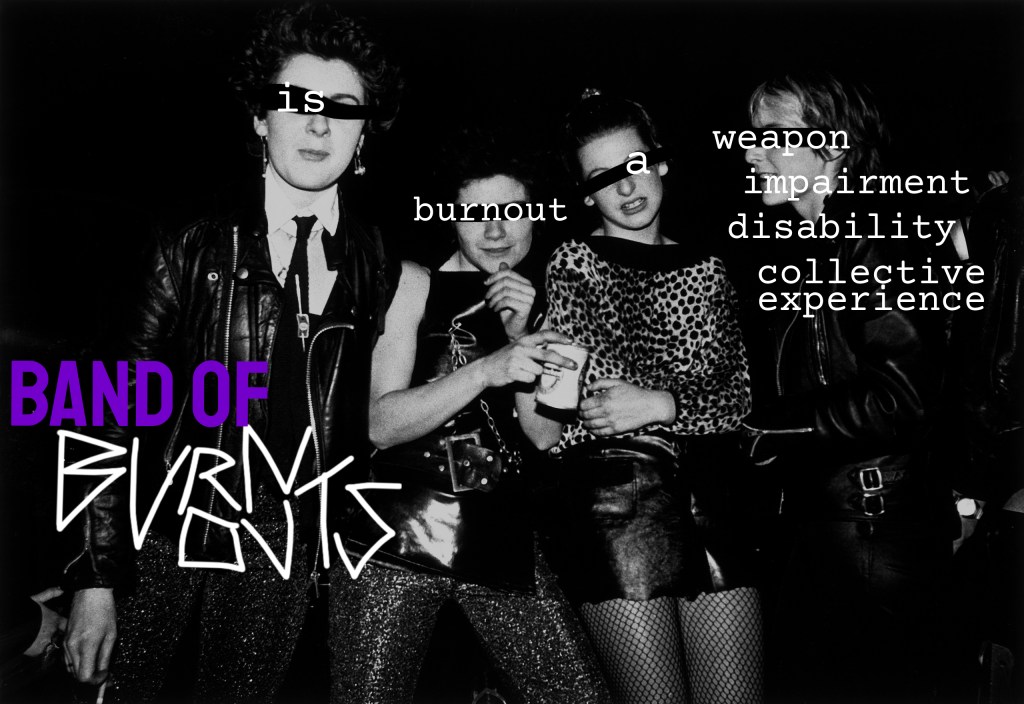
This Band of Burnouts bosoms all these meanings. We come together, band together, to share, hear, and learn, the stories of burnouts, holding interest in the potentiality of illness narratives for collective healing and understanding, as ways of making sense (nonsense included). It is said that ‘Narrative helps us to make sense of the new life that now has to accommodate an uninvited guest.’
In the dead of the night I have these dreams
What’ll happen to me? Will I burn out?
– Kid Cudi, Sad People (2020)
If the burnout was not a pandemic itself before, the circumstances of COVID-19 have enhanced its spread, intensity, and rate of occurrences. Despite becoming common phrase and common experience, still limited understanding exists as to what the burnout is. Together we ask, what is the burnout and how is it experienced? How does it differ from historical forms of extreme tiredness, and what are its particular manifestations?
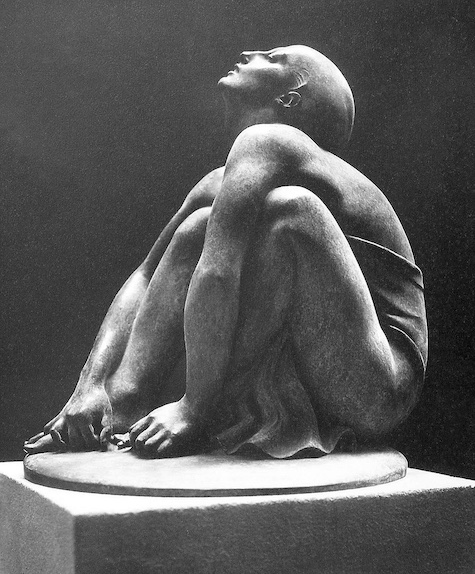
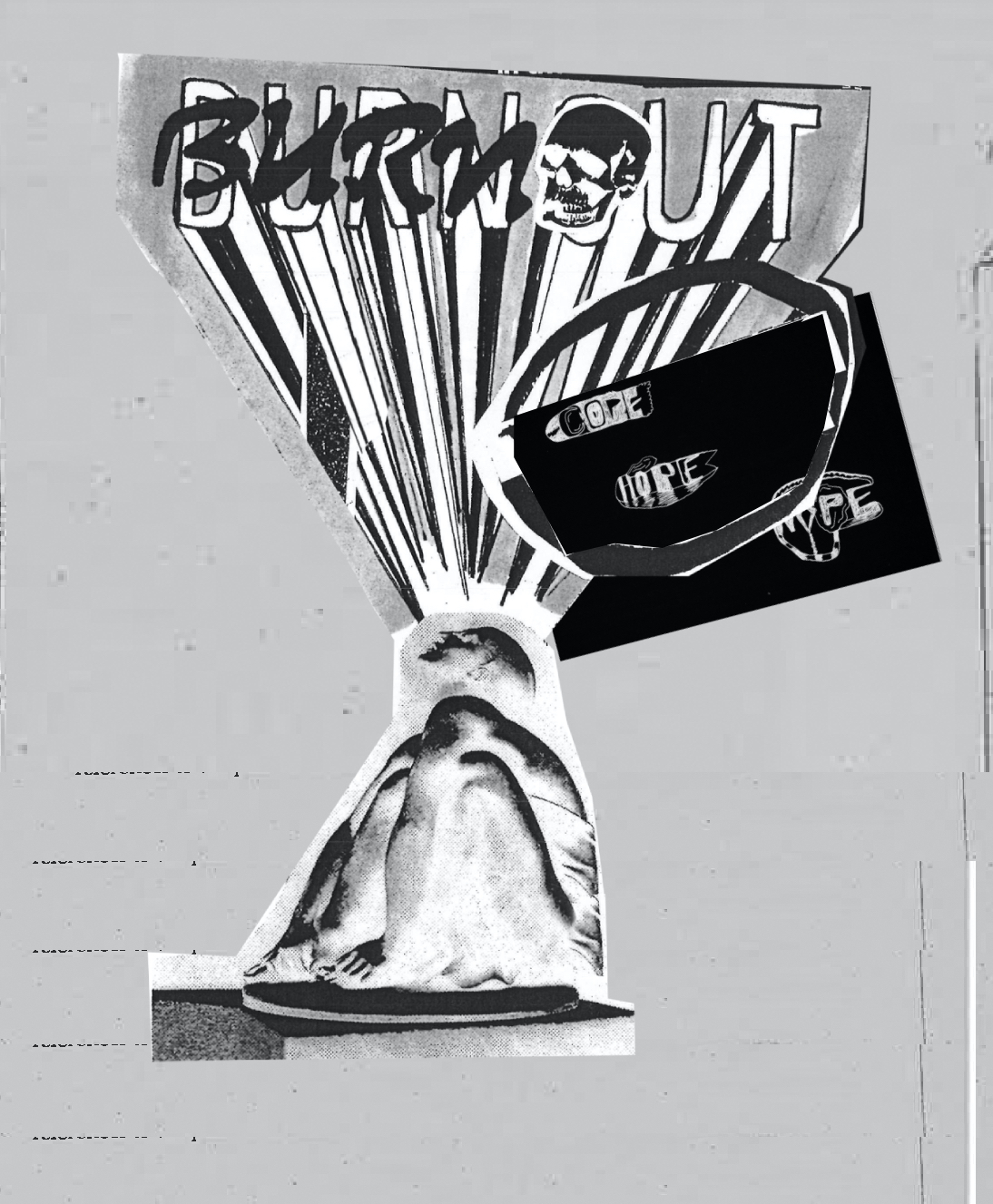
Cecil Howard’s Fatigue sculpture is an ongoing inspiration to the project. Popping up in varies forms everywhere… Here the top image is the original, the bottom part of a collage for a publication.
*Move the slider up and down to see the difference*
On Illness Narratives
In the book, Health, Illness and Culture: Broken Narratives (Routledge: 2008), Lars-Christer Hydén and Jens Brockmeier explain how,
“Some illness stories are told with full voice. They are articulate and the listener is caught in a narrative web… Often however, especially in contexts of real life and real illness, stories are not that developed. They are undecided, fragmented, broken, narrated by voices struggling to find words toward meaning and communication. These stories have been given less attention…”
Band of Burnouts listens, shares, collects, tells, hears and holds space for the undecided, the fragmented and the broken, as much as it does for the coherent and the translated. We challenge the implication that the meaning of narrator must mean to know. We accept and love that sometimes, we just don’t.
‘I know the feeling now, when I can’t spin a sentence, & sit mumbling & turning; & nothing flits by my brain which is as a blank window. So I… go to bed… Very useless. No atmosphere round me. No words. Very apprehensive.’
On Being Ill by Virginia Woolf (1926)
Illness narratives offer a unique window on how a disease, a disability, or a trauma is lived by feeling and suffering human beings, with all its consequences for their mental, physical, and everyday life. And studying illness narratives opens up a nonreductionist, holistic perspective on how we cope with illness and suffering in still another way. It allows us to tackle questions about how, or how well, we listen to these stories as relatives and cosufferers, professionals, and researchers, and what we make of them.1
Through intersections of disability studies, embodiment theory and philosophy, somatic practices, contributor-driven interventions, transdisciplinary narratives, aesthetic explorations (including DIY/DIO experiments, zines and underground publications, punk feminist craft & hobbies, amateur graphic design, mail art, and crazy publishing) and a general interest in pulling the middle finger at the wellness industrial complex and ideologies of productivity, self-optimisation, and ableist norms in relation to time and work… all of this comes together in the research lab Band of Burnouts.
RESEARCH ACTIVITIES OF THE LAB
During the fellowship the research lab conducted a range of research activities and outputs. These can be found in greater detail on the lab’s site, where I continue to post and update – reflecting upon these happenings and what work, projects, and research they continue to contribute towards today. Here is a brief overview to give an impression of some of research lab’s activities and artistic (research) interventions:
- Society of the Absent Presence:
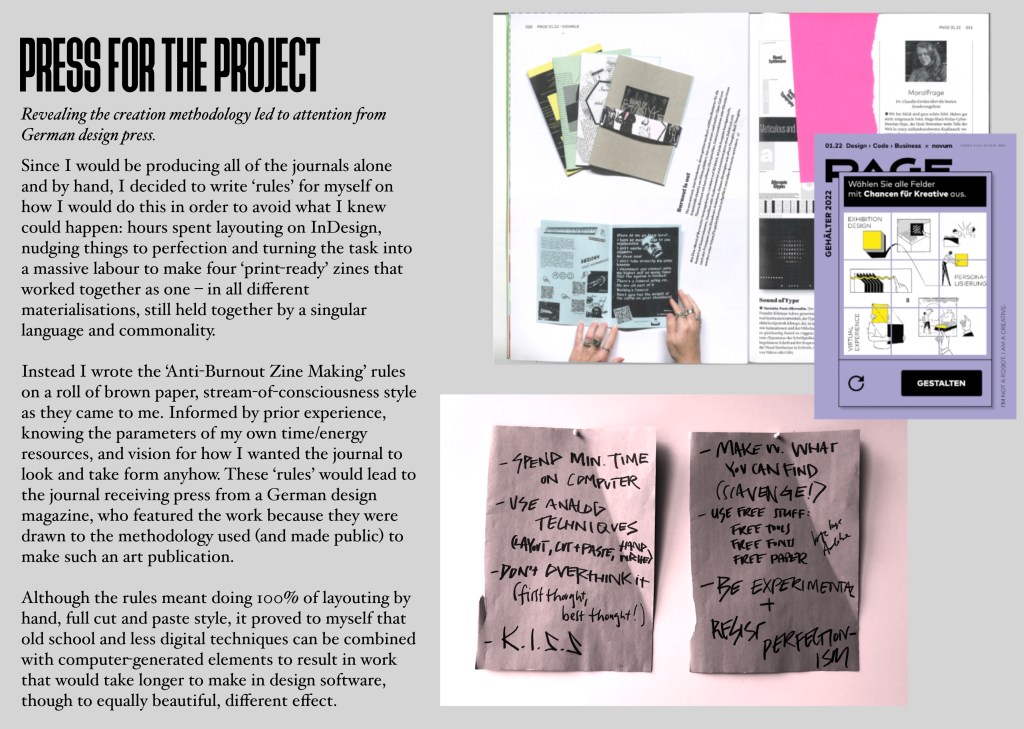
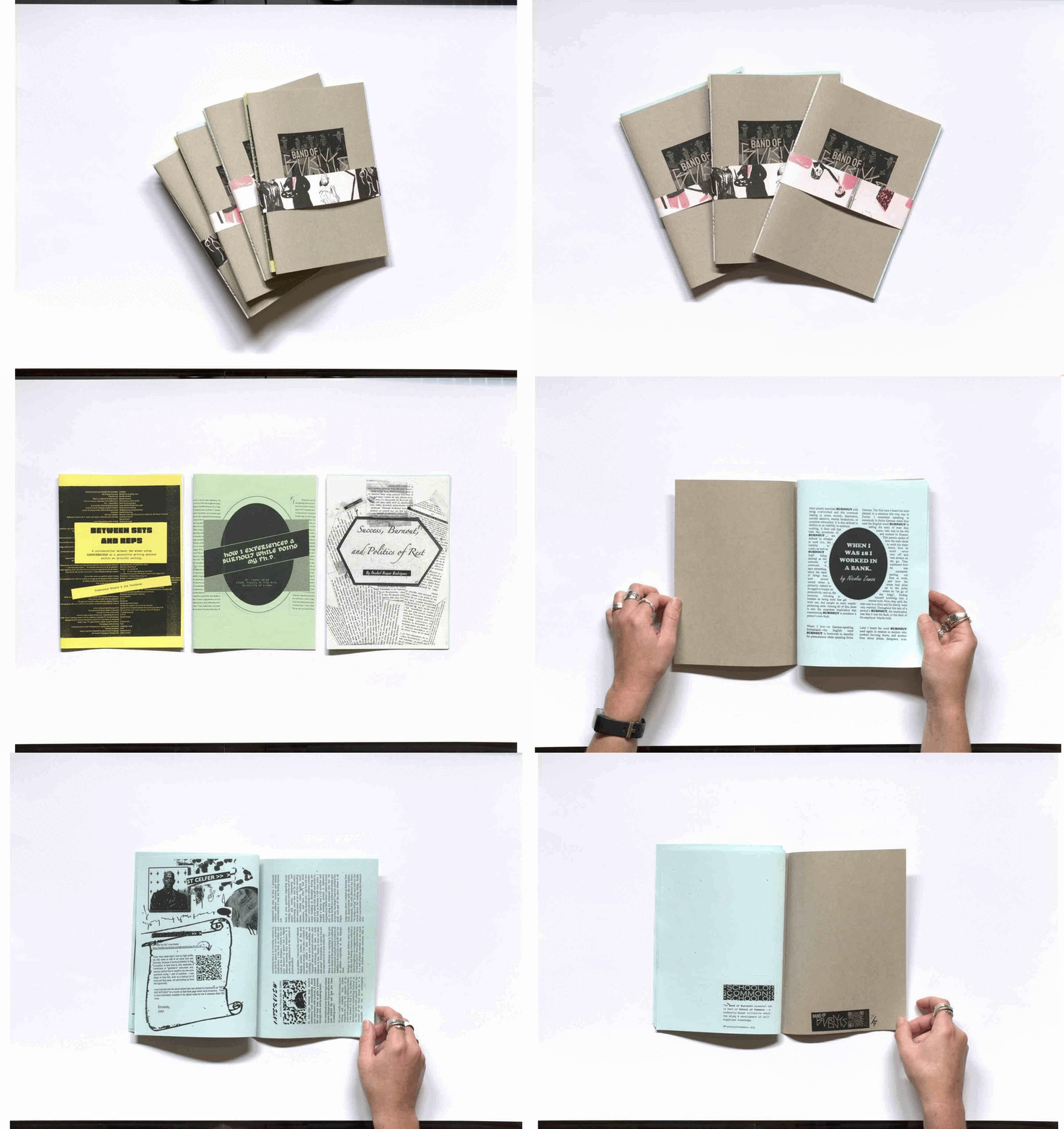
A fictional society who formed in dedication to taking seriously the body as a producer of knowledge. A theoretical manifesto about Embodiment. - Band of Burnouts Collective Journal: via an open call for written, visual, and audio contributions for an experimental print publication on burnout. For the publication’s release, we held a radio show event and later received press attention for the zine.
- Somatic Poetry Scholarship: An opportunity for two people with experience of burnout and a desire to explore/address it in their work to join a small writing collective exploring embodied writing with workshops by the amazing CAConrad via the Home School.
- Various Research Interviews: Published and audio.
- Collaboration with We Are Not Sick: The research lab presented a mixed media presentation by experimental theory band We Are Not Sick at Zurich’s experimental music festival Lange Nacht (The Long Night) – w. limited edition lyric book, stickers, and zine incl. interview with founding theorist Geert Lovink, for attendees at the festival.
- Design of Digital Typeface: Concept, design, and free download of a digital typeface based on concept of an asemic writing system where the body speaks yet escapes words.
- Film Screening: Hosted Zurich’s screening of Gabor Maté’s documentary The Wisdom of Trauma (2021).


WAYS & WORKINGS
Here are a selection of the lab’s Ways & Workings. On the lab homepage they are situated at the bottom and divided into Themes, Environments, and Methods.
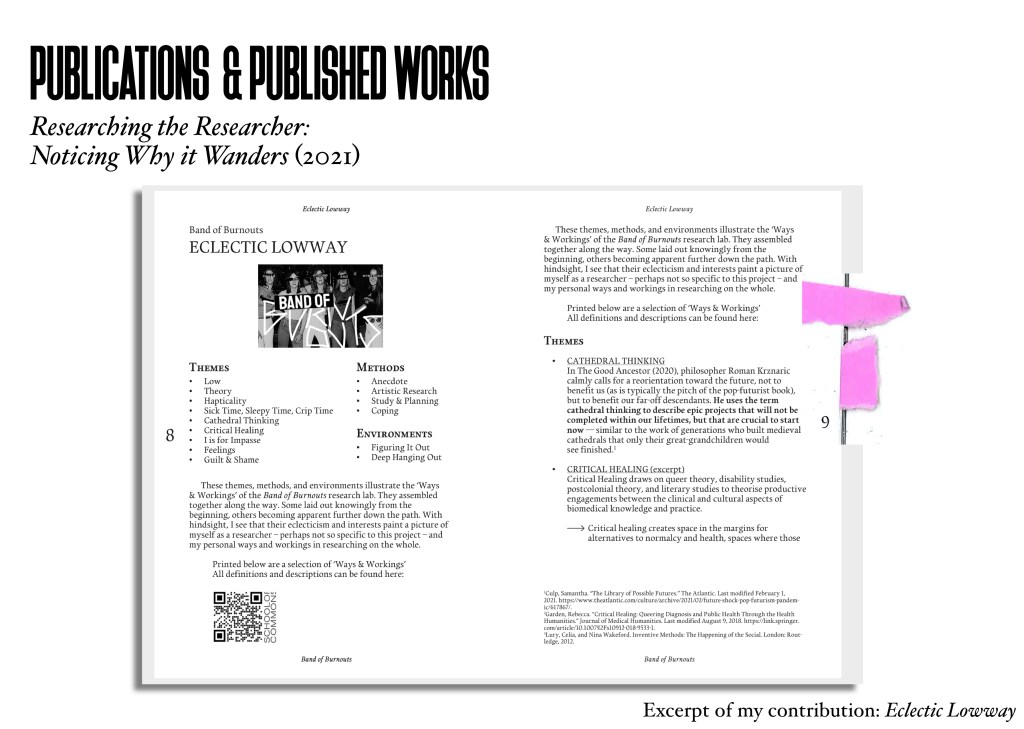
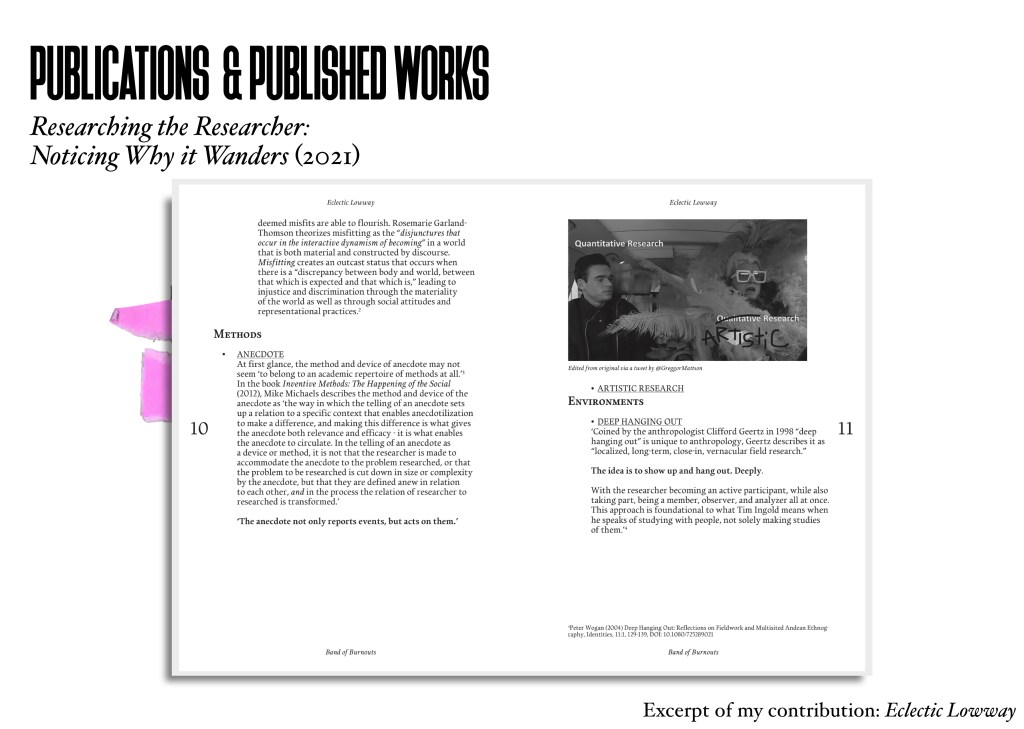
My Ways & Workings infrastructure for the research lab are included in the printed publication Researching the Researcher – a book about personal journey during artistic research projects with contributions from a range of practitioners and projects. You can dowload the ebook for free here. I titled my contribution ‘Eclectic Lowway’ and you can find it in the first chapter.

- Hydén, Lars-Christer, and Jens Brockmeier. Health, Illness and Culture: Broken Narratives. London: Routledge, 2008. ↩︎
 NO FUN